Quick answer: No, SEBI has not announced a blanket ban on retail algo trading. Retail investors can use automated trading under the applicable SEBI and exchange framework. The requirements depend on how the algo is developed, hosted and executed through the broker.
NSE’s 20 November 2026 circular addresses the tech-savvy investor category and misuse of static IP access. It does not announce a blanket ban on retail automation.
What Is Algo Trading and Why Does It Matter in India
Algo trading means using a program to place trades automatically based on fixed rules. You set the conditions upfront: a price level, a time trigger, an indicator signal.
The system does the rest, without manual intervention.
Retail traders can access automation through broker-supported APIs and algo platforms. Before live deployment, they should understand the requirements that apply to their particular setup.
If you're new to algo trading in India and want to understand how traders build, test, and automate strategies, explore our comprehensive guide to Algo Trading India before diving deeper into the latest SEBI regulations.
What SEBI Actually Did in 2025
In February 2025, SEBI released its circular on safer participation of retail investors in algorithmic trading. The circular established a framework for retail algo participation through brokers, with responsibilities for investors, brokers, algo providers and exchanges.
Why Did SEBI Step In?
SEBI cited increasing retail demand for algorithmic trading and the need for appropriate safeguards. The framework addresses risk management, investor protection and market integrity.
SEBI's move was not to shut algo trading down. It was to clean it up.
What the New SEBI Algo Trading Rules Actually Say
Let's go through each rule one by one so you know exactly where you stand.
1. Open APIs Are No Longer Allowed
Broker API access must follow authentication, identification and security requirements. A personal static IP is required for tech-savvy investors using a client-direct API. For an empanelled provider’s platform hosted on broker infrastructure, NSE’s FAQ identifies the broker server’s static IP as the relevant address.
Confirm your execution arrangement before buying a static IP.
2. API Orders Require Appropriate Algo Tagging
API orders require exchange-prescribed identification. Registered algos use their assigned identifiers, while eligible orders within the specified threshold use standardised tagging.
Order tagging and individual strategy registration are different requirements.
3. The Registration Threshold Applies to Eligible Self-Developed Algos
For algos developed by tech-savvy retail investors themselves using programming knowledge, individual algo registration is required when the specified order-rate threshold is crossed. NSE’s implementation standards set that threshold at 10 orders per second per exchange.
Operating within the threshold does not remove API security, client eligibility, order-tagging or broker risk-control requirements. It is not a blanket exemption for every platform or strategy.
4. Execution Above the Threshold Requires Registration
A client wishing to run a self-developed algo above the threshold must register it through their broker with the relevant exchange before using that arrangement.
Brokers apply controls to orders exceeding the permitted limit for unregistered algos.
5. White Box vs Black Box: Two Types of Algos
White-box algos have disclosed, replicable logic. Black-box algos have logic that is not known to the user and is not replicable.
Providers offering black-box algos must register as Research Analysts and maintain the required research reports. Exchange empanelment and other applicable requirements must also be satisfied. Transparent strategy logic alone does not establish compliance.
6. Your Self-Built Algo Stays Personal
SEBI permits a tech-savvy investor’s registered self-developed algo to be used by the investor and their specified family: spouse, dependent children and dependent parents.
Offering an algo commercially to other investors is a separate activity with applicable provider and registration requirements. Personal-use treatment should not be assumed to cover selling, renting or distributing access to others.
7. Brokers Are Now Accountable
Brokers have responsibilities for API oversight, risk controls and handling investor grievances. These responsibilities should not be interpreted as a guarantee against trading losses.
NSE’s 20 November 2026 circular requires tech-savvy clients to acknowledge that they have no recourse to the Exchange’s Investor Grievance mechanism for losses arising from their own algo’s logic. This provision specifically concerns algo-logic losses and should not be described as removing every complaint right.
What This Means If You Are a Retail Algo Trader in India
Start by identifying your actual trading arrangement. These situations require different checks:
The table is a practical checklist, not a declaration that any particular platform or account is compliant.
What Retail Algo Traders Should Check Now
The framework became applicable to all stockbrokers from 1 April 2026. Traders should now confirm how their current setup meets the applicable requirements. sebi.gov.in
Before starting or changing live automation, ask your broker or provider:
Which client category and execution arrangement apply to my account?
Where does the strategy logic run?
Whose static IP is used for order placement?
What registration, order tagging and undertakings apply?
Is any action required for my current setup?
Read declarations carefully and ensure they accurately describe your circumstances. Obtain clarification before purchasing infrastructure or changing a live connection.
Remove the blanket reassurance that SurendraAlgo’s empanelment alone means the relevant compliance checks are complete.
Is Algo Trading Legal in India in 2026?
Retail algo trading is permitted subject to the applicable framework. Regulatory permission should not be interpreted as an endorsement of a platform, strategy or expected return.
Traders should understand the requirements for their own execution arrangement and follow their broker’s applicable onboarding instructions.
Here's a complete breakdown of algo trading platforms to help you evaluate and make the right decision.
How SurendraAlgo Fits Into This Framework
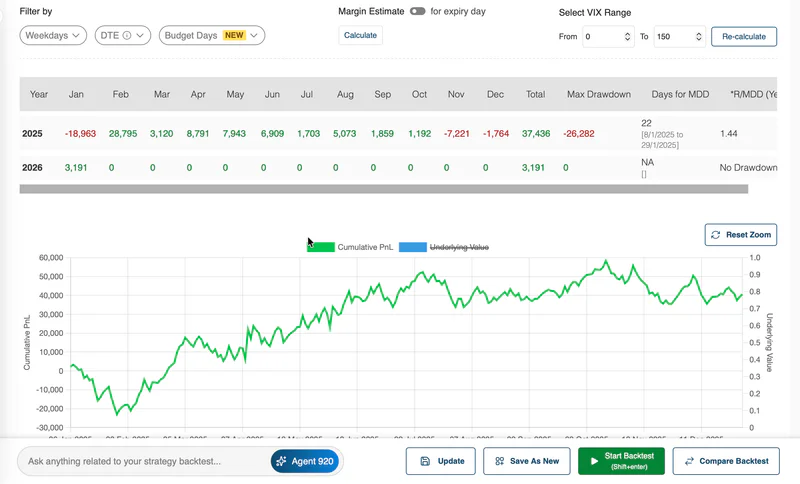
SurendraAlgo provides tools to build, backtest and paper trade strategies. These activities help traders assess strategy behaviour before considering live execution.
Before deploying, confirm the requirements for the SurendraAlgo feature and broker integration you intend to use. Successful backtesting or visible strategy rules do not, by themselves, establish that all live-execution requirements have been met.
Want to get started without spending anything? Here is a step-by-step guide on how to backtest for free and see how your strategy holds up on historical data before going live.
Key Dates in the Retail Algo Framework
The Bottom Line
Retail algo trading remains available under the applicable regulatory framework. Before deploying a strategy, understand your client category, hosting arrangement, broker requirements and any registration or undertaking obligations.
Use official circulars and account-specific broker guidance to assess your setup. Avoid drawing conclusions from headlines alone.
Ready to build your own strategy within this framework? Start with a free backtest on SurendraAlgo and see what rule-based trading looks like in practice.
This article is for informational purposes only and does not constitute financial or legal advice. Always refer to SEBI's official circulars and consult a qualified professional for compliance-related decisions.